From early morning sips of tea to after-school treats and Sunday celebrations, sugar has long sweetened life in Malawi. But in recent months, the country has been grappling with an acute sugar shortage that has sent prices beyond the reach of many.
Within a month, sugar price has more than doubled to K6 000 per kilogramme as shelves remain empty, tempers flare and families are being forced to adjust.
Yet beneath the frustration lies an unexpected opportunity: A chance for Malawians to rethink their sugar habits and to rediscover natural and healthier ways to enjoy life’s sweetness.
“Sugar is not just food here; it’s love,” says Catherine Makuta, 43, from Area 18 in Lilongwe. “When you cannot offer visitors tea with sugar, you feel ashamed.”

For the mother of five, the sugar shortage feels so personal.
“It’s in the tea we once enjoyed daily, the mandasi children take to school and the thobwa we share at weddings and other social gatherings,” she says.
To suddenly go without it is not just a dietary shift; it is a societal shock.
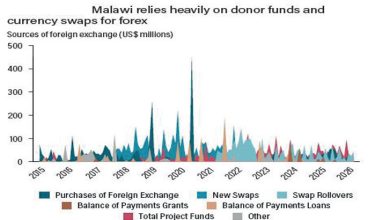
When prices spiked due to low production, foreign exchange scarcity and smuggling, many did not just complain. They resisted.
“I’ve seen women buying sugar in bulk at K6 000 even when they clearly can’t afford it. It’s like they’d rather skip nsima, meat and vegetables than go a day without sweet tea,” says Bizwick Mbendera, a vendor at Chilomoni Market in Blantyre.
Yet amid the dearth, change is quietly taking root.
In Chemusa, Blantyre, mother-of-two Elizabeth Kamulanje, 23, has turned the crisis into a personal health campaign. However, she did not start alone.
“When the price hit K4000, I said enough,” she says. “I was stressed about swhat to feed my children. I later joined a community women’s home economics group where I learned how to sweeten porridge with ripe bananas instead. I tried it. To my surprise, my children loved it.”
Kamulanje finally realised that sugar was not irreplaceable.
“We over-rely on things we can actually live without,” she says. “Now I’m more careful about what we eat. I feel better, and my children hardly complain.”
Media specialist Keisha Osman has been living sugar-free for over five years.
She states: “Nature has given us enough. The sugar shortage may have done what years of health talks couldn’t. I hope it forces people to listen.”
Osman does not add extra sugar to anything that already ‘has sugar’ in it.
“That includes tea or coffee because milk already has its own sugar,” she says.
For cereals and baked goods, she uses alternative sweeteners such as fruits, dates or honey.
“I prefer natural sugar [fructose] found in fruits and berries or honey. If you look at packaging of the foods we buy, you find that most things have sugar. Instead of worrying about sugar shortage, people need to know how bad processed sugar actually is for our bodies and health,” says Osman.
She urges Malawians to switch to healthier altenatives to avert inflammations, headaches and other disorders.
Malawi, like many African countries, is facing a surge in diabetes, hypertension, obesity and other noncommunicable diseases fuelled by poor diets.
Total Land Care nutrition specialist Moses Mtumbuka says while sugar is fortified with Vitamin A which boosts body immunity to diseases, “switching to alternatives like honey is okay and healthier”.
“Natural honey is very good but many people can’t afford to buy for the entire household,” he says.
Most Malawians consume excessive sugar from a very young age, with children as young as two taking sugary drinks and snacks daily.
According to the World Health Organisation, “excess sugar is bad for you”.
Consuming excess sugar increases unhealthy weight gain, heightens risk of diseases (diabetes, high blood pressure, heart disease) and damages teeth, causing dental caries,” warns the UN global health agency.
For mindset change, the emotional attachment to sugar must be acknowledged and gently challenged.
In Lilongwe, a women’s social group, now serves tea with a question: “Sugar or no sugar?”
More and more women are slowly choosing the latter.
“First, they laughed at me,” says Thokozile Banda, 52. “Now, some of them have stopped using sugar in their homes. They say their headaches have reduced and their children fall sick less often.”
Banda believes that change starts within community settings.
“Don’t preach. Just share your story. People will try it when they trust you,” she says.
A sweeter future
The distressing sugar shortage has also sparked a quiet revolution, with people discussing and experimenting with life without the processed sugar they grow up with.
Vendors are now selling locally made sweet potato crisps instead of imported lollipops, children are learning that every fruit is a treat and some families are discovering that a life with less sugar is not a punishment but ‘freedom’.
Of course, when production stabilises and prices fall, sugar will return to our tables—but what if it returned in smaller doses, more consciously used and more carefully appreciated?
Says Elizabeth Kamulanje, a mother of two from Chemusa Township in Blantyre City: “This shortage is bitter, but it has shown me that sweetness is not just something you buy in a packet. It’s something you can grow, cook and share – naturally.”